
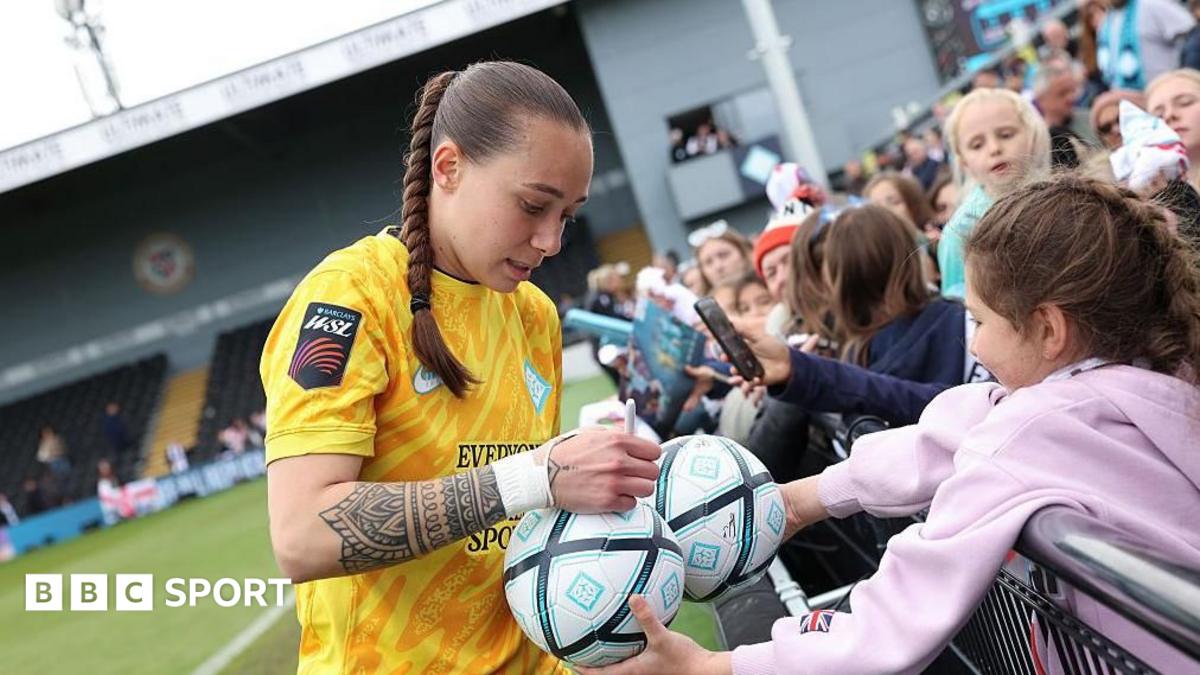
WSL supporters are seeing clear progress in atmosphere, family appeal and fan engagement, but recurring problems remain around kick-off times, accessibility information and stadium comfort. Arsenal’s large Emirates Stadium crowds show the league’s potential, while smaller venues and awkward travel demands underline the unevenness of the experience.
The strongest signs of growth are visible in attendances and audience profile. Arsenal averaged about 34,000 at Emirates Stadium in the referenced season, while a cited YouGov study put global WSL fandom at 28.5 million, with a younger and more gender-balanced audience than is typical in men’s football. London City Lionesses were also presented as an example of a club trying to build matchdays around more than the 90 minutes.
Fans in the BBC report welcomed family-friendly activities and the fan-choice pilot allowing alcohol in stands, which has been used by clubs across the WSL and WSL2. The wider lesson for clubs may be that supporters want a matchday that feels welcoming, safe and deliberately designed, rather than simply a smaller version of the men’s game.
The main frustrations are practical. Noon Sunday kick-offs can make away travel difficult and clash with grassroots football, while long gaps in the calendar risk slowing supporter momentum. Accessibility concerns were also raised, including venue-specific parking information and wheelchair seating arrangements, with Tottenham saying improvements are being made for Brisbane Road guidance.
For editors and community discussion, the key tension is how the WSL grows without losing what makes its fan culture distinctive. Bigger crowds bring opportunity, but they also raise expectations on scheduling, communication, seating, shelter, food, travel and inclusive access.
Discussion
Sign in to join the discussion.
Sign in / Register