
World CupSouth Africa -- Canada19:00World CupBrazil -- Japan17:00World CupGermany -- Paraguay20:30World CupNetherlands -- Morocco01:00World CupIvory Coast -- Norway17:00World CupFrance -- Sweden21:00World CupMexico -- Ecuador01:00World CupEngland -- Congo DR16:00World CupBelgium -- Senegal20:00World CupUSA -- Bosnia & Herzegovina00:00World CupPortugal -- Croatia23:00World CupAustralia -- Egypt18:00World CupArgentina -- Cape Verde Islands22:00Super LeagueDalian Zhixing 14 Shanghai ShenhuaFTWorld CupSouth Africa -- Canada19:00World CupBrazil -- Japan17:00World CupGermany -- Paraguay20:30World CupNetherlands -- Morocco01:00World CupIvory Coast -- Norway17:00World CupFrance -- Sweden21:00World CupMexico -- Ecuador01:00World CupEngland -- Congo DR16:00World CupBelgium -- Senegal20:00World CupUSA -- Bosnia & Herzegovina00:00World CupPortugal -- Croatia23:00World CupAustralia -- Egypt18:00World CupArgentina -- Cape Verde Islands22:00Super LeagueDalian Zhixing 14 Shanghai ShenhuaFT
Back to news
Football

Mamdani’s World Cup playbook puts access at the centre of New York’s tournament

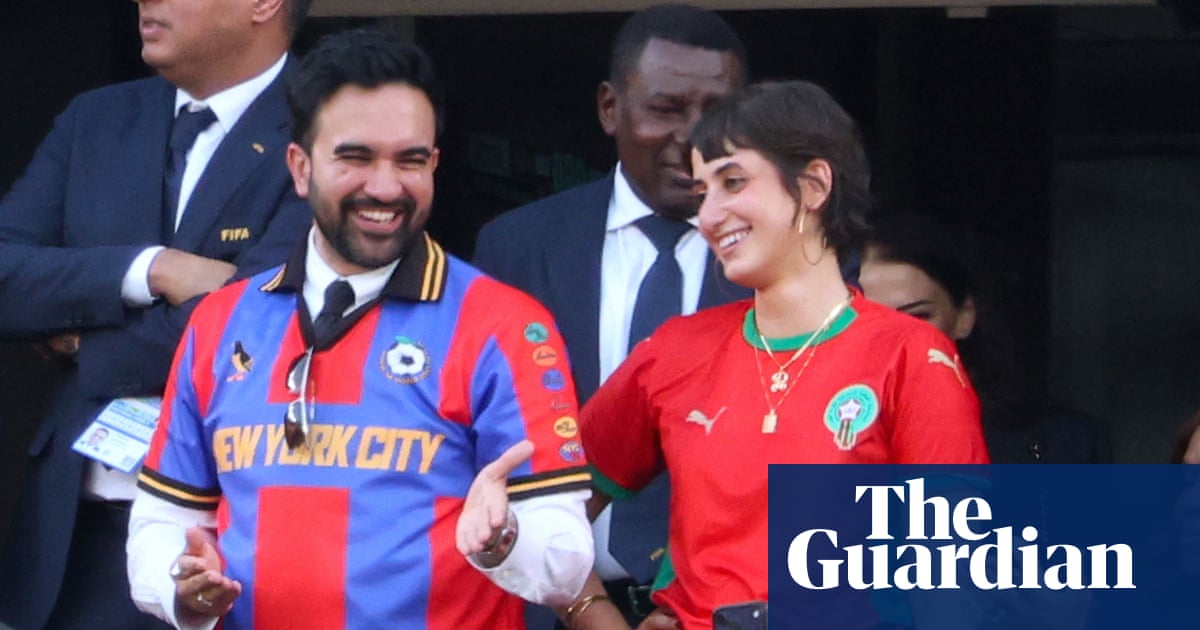
New York City mayor Zohran Mamdani has become a prominent local figure during the World Cup, with reported interventions on ticket prices, transport and stadium rules helping shape the city’s tournament experience.

Mamdani’s World Cup playbook puts access at the centre of New York’s tournament
Image credit: theguardian.com

Zohran Mamdani has made affordability and public access central to New York City’s World Cup hosting role. The Guardian reports that the mayor helped secure $50 tickets for New Yorkers, backed $20 shuttle buses to MetLife Stadium with governor Kathy Hochul, and challenged a stadium water-bottle restriction before it was changed.

Those moves have landed in a city already described as alive with watch parties and international fan culture. The source piece presents New York’s World Cup atmosphere as a mix of public screenings, immigrant communities and casual supporters drawn into the event beyond the stadiums.

Mamdani’s visibility also has a political edge. The article frames him as using the tournament to promote a welcoming version of New York, especially through messaging around the city’s immigrant identity and criticism of federal decisions that he argues clash with the spirit of a global competition.

For editors, the strongest verified angle is not that Mamdani “won” the World Cup, but that his administration has become part of the tournament story through practical interventions on cost and access. Broader claims about political advantage, FIFA’s image or national narratives should be handled as analysis rather than established fact.

Sources & copyright

This article does not reproduce any source in full. It is built from public facts and editorial work; original links belong to their authors.

Public sources

This article may use AI for summarization, translation, or SEO assistance, and is reviewed by editors before publishing.

Discussion

    Related reading

    News
    Colombia’s pressure defines Portugal World Cup live-blog account
    Editorial1 min
    News
    Chelsea weigh Xhaka move as Alonso influence grows
    Editorial1 min
    News
    World Cup group stage reaches final day with Ronaldo, Messi storylines
    Editorial1 min
    News
    World Cup Round of 32 picture: Argentina lead a varied field of contenders
    Editorial1 min